Why Every Neighborhood Needs a Great Restaurant

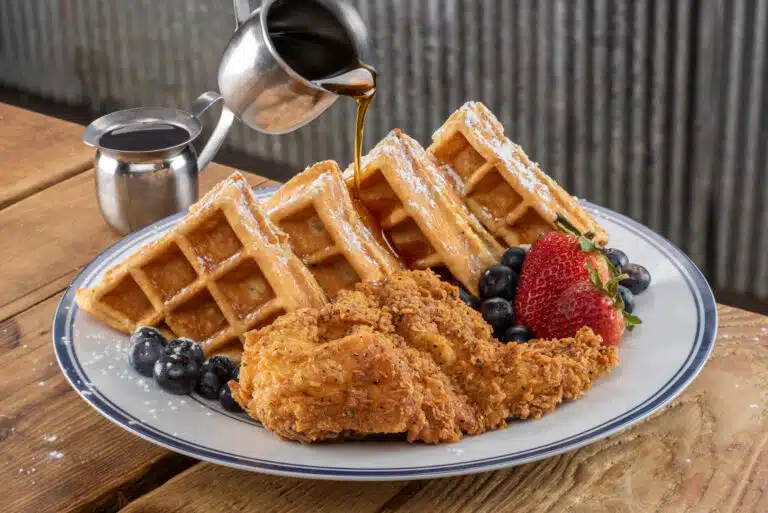

A great neighborhood restaurant does far more than serve dinner. It becomes part of the area’s daily rhythm, one of those places people use to orient themselves in a practical and emotional sense. Ask someone where they live, and they often mention the corner cafe, the family-run pizzeria, the bustling bistro with a line on Friday nights, or the modest spot with the best soup in three zip codes. These places become landmarks, but that word is too small for what they really are. They are social anchors.
When a neighborhood has a truly good restaurant, not merely an adequate one, the effects spread outward. Foot traffic improves. Informal social ties grow stronger. Nearby businesses benefit. Residents feel a little prouder of where they live. Newcomers find an entry point into community life. Even people who cook at home most nights still gain from having one excellent place close by, because a neighborhood needs shared spaces where private life can open into public life without becoming transactional or anonymous.
That distinction matters. Plenty of spaces take money in exchange for service. Few create belonging. A great restaurant, at its best, does both.
More than a place to eat
People tend to describe restaurants in terms of food first, and understandably so. If the cooking disappoints, the rest falls apart quickly. But the most important neighborhood restaurants are never only about the plate. They become extensions of local life. Parents stop in after school events. Contractors grab early lunches before heading back to a jobsite. Retirees claim the same corner table on weekday afternoons. Young couples celebrate promotions there, then come back years later with strollers and diaper bags. Teenagers get their first taste of independence by splitting fries and lingering over soft drinks.
That kind of continuity is hard to manufacture. It develops over time, through hundreds of small interactions that most chain concepts are not designed to support. The owner learns names. The server remembers who likes extra lemon and who always wants the check quickly. The kitchen adapts a dish for a regular with dietary restrictions without making a speech about it. These details sound minor until you have lived in a place without them. Then their absence feels cold.
A neighborhood without a good restaurant often ends up fragmented in subtle ways. Residents may still have places to eat, but they do not have a common room. They drive elsewhere for occasions that matter. They order delivery instead of going out. They spend money outside the area and build memories somewhere else. The neighborhood becomes a place where people sleep, park, and receive packages, not a place where they gather.
The local economy feels the difference
The economic case is straightforward, though it is often reduced to simple job counts. A successful restaurant creates employment, of course, from dishwashers and line cooks to servers, bartenders, hosts, managers, and suppliers. But its real value to a neighborhood economy goes deeper than payroll.
Restaurants pull people onto the street. That matters for every nearby business. A bookstore next to a lively dinner spot gets more browsing traffic. A florist benefits from date-night purchases and celebration bouquets. A corner market picks up impulse sales. Even service businesses, the dry cleaner, the barber, the pharmacy, gain from a block that feels active rather than dormant.
Commercial real estate professionals have understood this for years. A block with a reliable restaurant tenant often leases more easily than a block with only offices or intermittent retail. People want to spend time where other people already are. Activity attracts activity. A dining room with visible life at 6:30 p.m. Does something no vacant storefront ever can. It reassures people that the neighborhood works.
That said, not every restaurant creates the same economic effect. Some operate almost like extraction points, drawing revenue out while investing little in local relationships. Others become genuine multipliers. The difference usually comes down to a few practical habits:
- buying from nearby vendors when feasible
- hiring staff from the surrounding area
- staying open at hours that match neighborhood patterns
- pricing the menu so regular visits feel possible, not rare
- participating in local events rather than treating the area as a backdrop
These choices are not always easy. Independent operators face high rent, labor pressures, food cost volatility, and razor-thin margins. But when they can align the business with the neighborhood instead of against it, the returns compound for everyone.
Great restaurants make streets safer by making them busier
Urbanists sometimes talk about “eyes on the street,” but you do not need planning jargon to understand the effect. A restaurant with steady business changes how a block feels at night. Lights stay on. Staff members arrive and leave in shifts. Customers come and go. Delivery drivers, neighbors, and passersby create a natural flow of human presence.
This does not solve every safety issue, and it would be naive to suggest otherwise. Yet active places tend to discourage the kind of neglect that invites more neglect. An empty commercial strip signals withdrawal. A good restaurant signals stewardship. Someone is paying attention. Someone is invested in how the sidewalk looks, whether the trash gets picked up, whether planters get watered, whether a broken light fixture gets fixed.
I have seen this on streets that changed almost block by block. One strong operator opens, then another business takes a chance next door. Sidewalks that used to feel optional after dark become part of people’s regular routes. Residents start walking to dinner rather than driving somewhere else. You cannot measure every benefit with precision, but you can feel it almost immediately.
There is also a social safety component that is easy to overlook. Familiar public places create informal networks. The bartender notices when an older regular has not been in for a week. The host recognizes a teenager who seems distressed and discreetly helps. The owner sponsors a school fundraiser because she knows the parents personally, not because it is a marketing strategy. These are not dramatic interventions. They are the ordinary forms of social awareness that make neighborhoods more humane and resilient.
The best ones lower the barrier to community
Many public spaces ask something specific of people. Parks require time and weather. Cultural institutions often require planning and money. Private homes require invitation. Restaurants occupy a useful middle ground. They are structured enough to be accessible, but relaxed enough to accommodate many different kinds of participation.
You can stay ten minutes or two hours. You can arrive dressed for work, for errands, or for a birthday dinner. You can come alone with a book, with a family of five, or with friends from out of town. A good neighborhood restaurant handles all of that without making anyone feel out of place.
That flexibility matters more than people often admit. Community is not built only through large events or formal organizations. Most of it comes from repeated low-stakes contact. Seeing the same faces. Having short conversations. Developing trust in increments. A neighborhood restaurant gives those interactions a container.
For people new to an area, this can be especially important. Moving is disorienting even under good circumstances. A great local spot gives newcomers somewhere to begin. They learn the local tempo there. They overhear what matters to people. They notice who knows whom. Over time, they stop feeling like visitors.
This is one reason residents become fiercely protective of beloved restaurants. If a truly local place closes, people do not speak about it the way they would speak about the loss of a generic retail tenant. They talk about the missing birthdays, the after-game meals, the solo lunches during difficult years, the owner who slipped free dessert to kids after graduations. What disappears is not only commerce. It is accumulated public memory.
A neighborhood restaurant teaches people what local identity tastes like
Food carries place in a very direct way. A neighborhood can express itself through architecture and demographics, but cuisine translates identity into something immediate and shareable. The restaurant that gets this right does not have to be expensive or elaborate. It just has to feel rooted.
In some places, that means honoring immigrant traditions that shaped the area for decades. In others, it means using local produce well and without pretension. Sometimes it means preserving a dish that would otherwise vanish from the everyday landscape. Sometimes it means adapting, carefully, to a changing population without abandoning the kitchen’s point of view.
This is where judgment matters. A restaurant can be too rigid and become irrelevant, or too eager to chase trends and lose its soul. The best operators know how to edit rather than surrender. They make room for a few new ideas while protecting the dishes that built trust. They understand that regulars want reliability, but not stagnation.
A neighborhood’s food culture can also bridge generational divides. Grandparents bring grandchildren to the same place they visited twenty years earlier. Young residents discover dishes they did not grow up with because the restaurant puts them within reach. That shared experience creates continuity in neighborhoods that might otherwise feel split between long-time locals and newer arrivals.
Convenience matters, but quality changes behavior
Most people want a restaurant nearby for obvious practical reasons. Work runs late. Kids have activities. Friends drop by unexpectedly. Nobody wants to cook every night. Convenience alone, however, only gets a place so far. The average neighborhood is full of food options that survive without becoming meaningful.
Quality changes behavior. When the food is excellent and the service is dependable, people choose to stay local even when they have other options. They invite guests there with confidence. They use it for celebrations. They stop searching and start returning. That repeat business is what stabilizes a restaurant and deepens its neighborhood role.
Quality does not mean luxury. Some of the most indispensable local places I have known had paper napkins, a short wine list, and chairs that would never be described as design-forward. What they had was discipline. The roast chicken was always properly seasoned. The soup tasted like someone had cared about the stock. The fries arrived hot. The room ran on time. The staff handled mistakes with competence rather than excuses.
That kind of consistency is rare because it is difficult. It requires standards in the kitchen, calm on the floor, good purchasing, sensible staffing, and an owner who understands that hospitality is operational before it is decorative. When neighbors say a place is “great,” they often mean exactly this: they can trust it.
Not every great restaurant has to be famous
Some neighborhoods chase acclaim when what they really need is reliability. There is nothing wrong with destination dining. Ambitious restaurants can raise a city’s profile and push the local scene forward. But a neighborhood is not necessarily best served by a place optimized for press coverage, reservations posted months ahead, or menus designed to impress visitors first and residents second.
A great neighborhood restaurant is often a place that balances ambition with accessibility. It might have one or two knockout dishes, a thoughtful beverage program, and a chef with serious skill. Yet it also understands the weekly customer. It offers enough range for a family dinner and enough warmth for a solo meal at the bar. It leaves room for spontaneity.
That can be harder to execute than a concept built entirely around hype. Fame tolerates inconvenience for a while. Neighborhood loyalty does not. If a place is impossible to book, too expensive for repeat visits, or so self-conscious that ordinary diners feel unwelcome, it may be successful on paper while failing its immediate community.
The strongest neighborhood restaurants usually share a few traits, even when their cuisines and price points differ.
- They make regulars feel recognized without turning cliquish.
- They maintain standards on slow nights, not only busy ones.
- They fit the block, even when they add something new to it.
- They are good for both occasion meals and ordinary Tuesdays.
- They give people a reason to stay in the neighborhood instead of leaving it.
There is real craft in that balance. It demands business sense, emotional intelligence, and stamina.
The trade-offs are real, especially now
It would be dishonest to romanticize restaurants without acknowledging how hard they are to sustain. The labor is intense. Food margins are volatile. Rent can erase months of careful work. Insurance, repairs, licensing, utilities, and payroll continue regardless of whether the dining room is full. One broken refrigeration system or one badly timed street closure can throw a small operation into crisis.
Neighborhood restaurants also face a specific tension. Residents want them to stay affordable and familiar, but costs rarely stay still. When menu prices rise, regulars may feel betrayed. When they do not rise, owners and staff absorb the pain. Add in delivery platform fees, wage pressure, changing alcohol habits, and stricter expectations around sourcing and dietary accommodations, and the challenge becomes obvious.
This is why communities that say they value local restaurants have to show it in practical ways. Sentiment does not pay invoices. Regular business does. So does patient understanding when prices adjust or when a place simplifies its menu to protect consistency. Great neighborhood restaurants need https://maps.app.goo.gl/VF9QeS8FWQmjB3yf9 advocates, not just admirers.
Municipal policy matters too. Permitting delays, sidewalk regulations, parking changes, sanitation rules, and liquor licensing all shape whether a restaurant can thrive. Good policy does not mean no regulation. It means regulation that protects public interests without making normal operation nearly impossible. A city that wants walkable, connected neighborhoods should treat independent restaurants as essential civic infrastructure, because in many ways they are.
What happens when one opens, or when one closes
The opening of a strong restaurant often changes a neighborhood faster than outsiders expect. Suddenly there is a place to recommend. Real estate agents mention it. Residents choose to meet nearby instead of elsewhere. Local social media fills with photos, but the more significant shift happens offline. People start building new routines around the place.
Closures reveal the opposite side of that equation. If a generic chain shuts down, there may be inconvenience. If a beloved local restaurant closes, there is grief. People tell stories immediately because they are trying to account for what was lost. They remember the owner greeting their parents by name, the meal after a funeral, the table where they signed lease papers, the night they brought home a new baby and ordered enough food for three days because they were exhausted and overwhelmed.
That emotional response is not nostalgia for nostalgia’s sake. It is evidence that the restaurant had woven itself into neighborhood life. Places that do that are not interchangeable. You can replace square footage. You cannot quickly replace accumulated trust.
A good block becomes a better place to live
The strongest argument for a great neighborhood restaurant is not culinary, though good food helps. It is civic. These places make ordinary life richer. They reduce friction. They create pleasure close to home. They support local employment, animate sidewalks, and turn strangers into familiar faces. They give neighborhoods texture.
Anyone who has lived within walking distance of a truly dependable restaurant knows the feeling. A hard week softens because there is a place where someone can cook for you well. Friends are easier to gather. Celebrations need less planning. Even solitary meals feel less lonely when they happen in a room with recognizable energy. The neighborhood itself starts to feel more complete.
There is a reason people remember these places for years after moving away. They stood in for something larger than dining out. They offered a way of belonging that was practical, repeatable, and open to almost anyone. Cities and towns need schools, transit, housing, and public services first. But within that structure, neighborhoods need institutions that make life worth inhabiting, not merely manageable.
A great restaurant is one of those institutions. It feeds people, certainly. More importantly, it gives them somewhere local to be together, and that may be one of the most valuable ingredients any neighborhood can have.
Walter's BBQ Southern Kitchen
Address: 4501 Butler St, Pittsburgh, PA 15201
Phone number: +14126837474
FAQ About Restaurant
What is the 30 30 30 rule in restaurants?
The 30-30-30 rule in restaurants is a classic financial budgeting guideline that suggests dividing revenue into three main cost categories: 30% for food costs, 30% for labor costs, and 30% for overhead, leaving the remaining 10% as profit.
What does 68 mean in a restaurant?
In a restaurant, 68 means that a food or drink item is back in stock and available to sell again. It is the exact opposite of the much more common code 86, which means an item is out of stock and gone.
Is it rude not to tip at restaurants?
Yes, not tipping at a sit-down restaurant is generally considered rude in the United States and Canada, where standard tips range from 15% to 20%, but customs vary heavily by country. In North America, servers rely on tips as a core part of their income because laws allow lower minimum wages for tipped staff. In many other parts of the world, like parts of Europe and the UK, tipping is optional or not expected because workers receive a full standard minimum wage.