Where to Discover New Jamaican Food in Denver
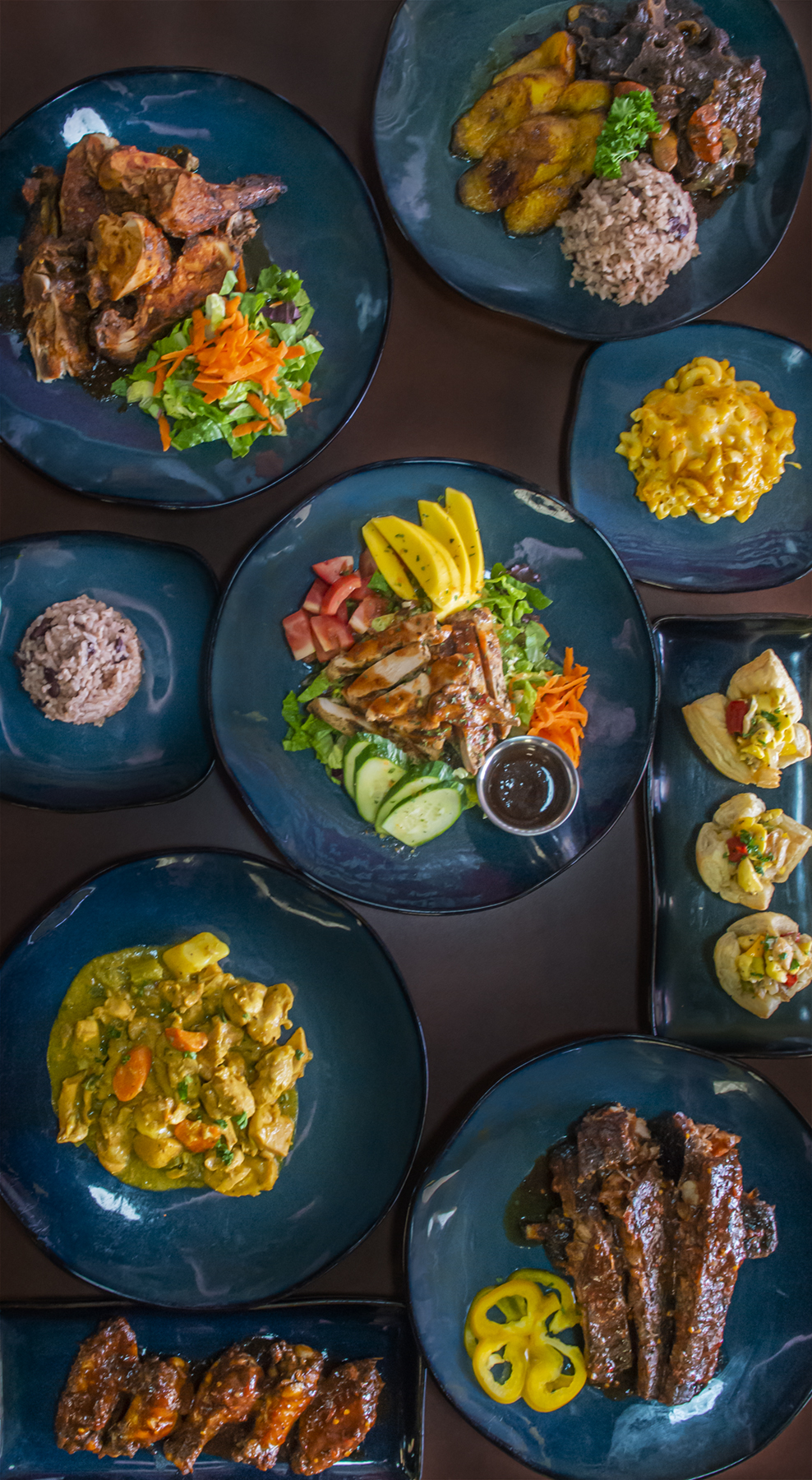
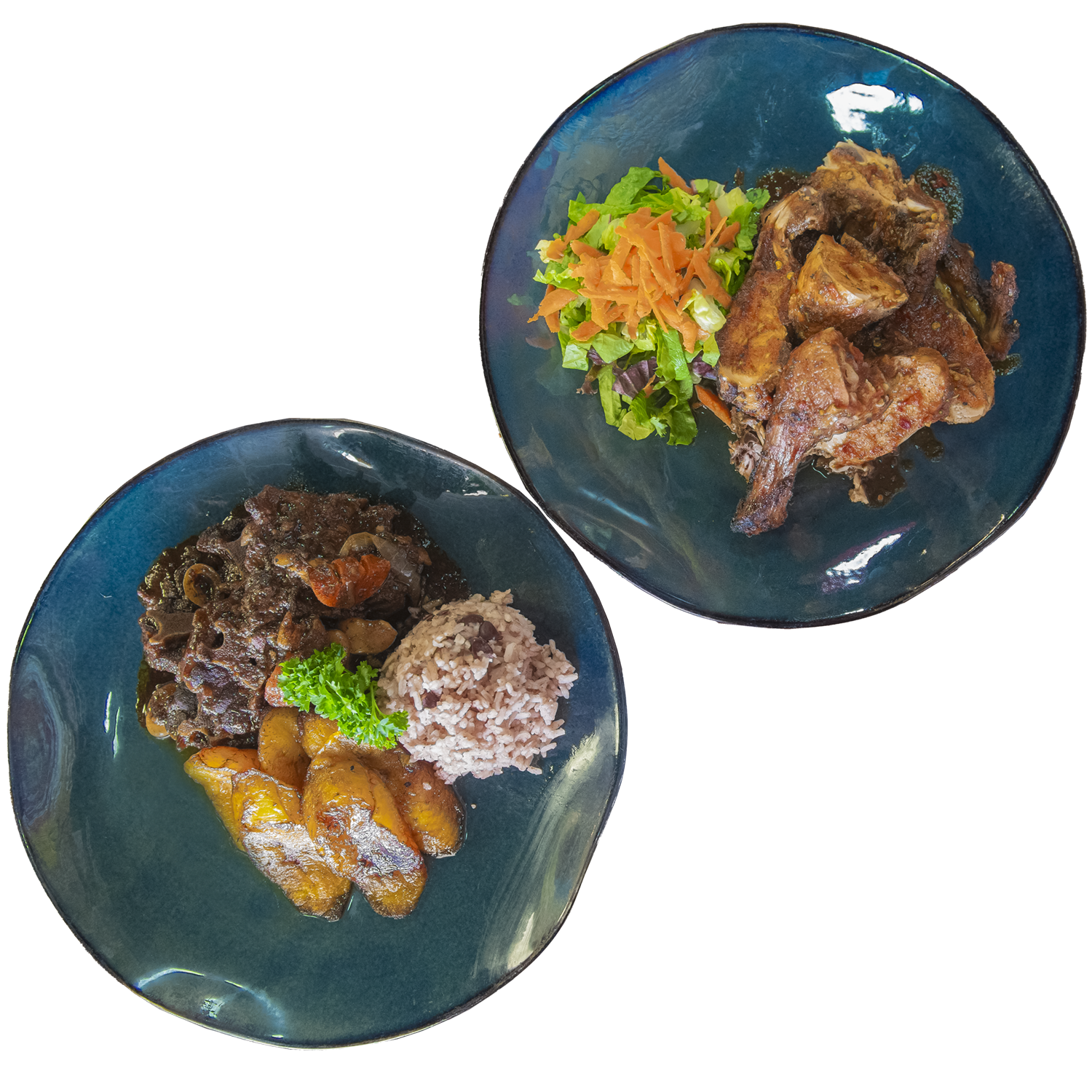
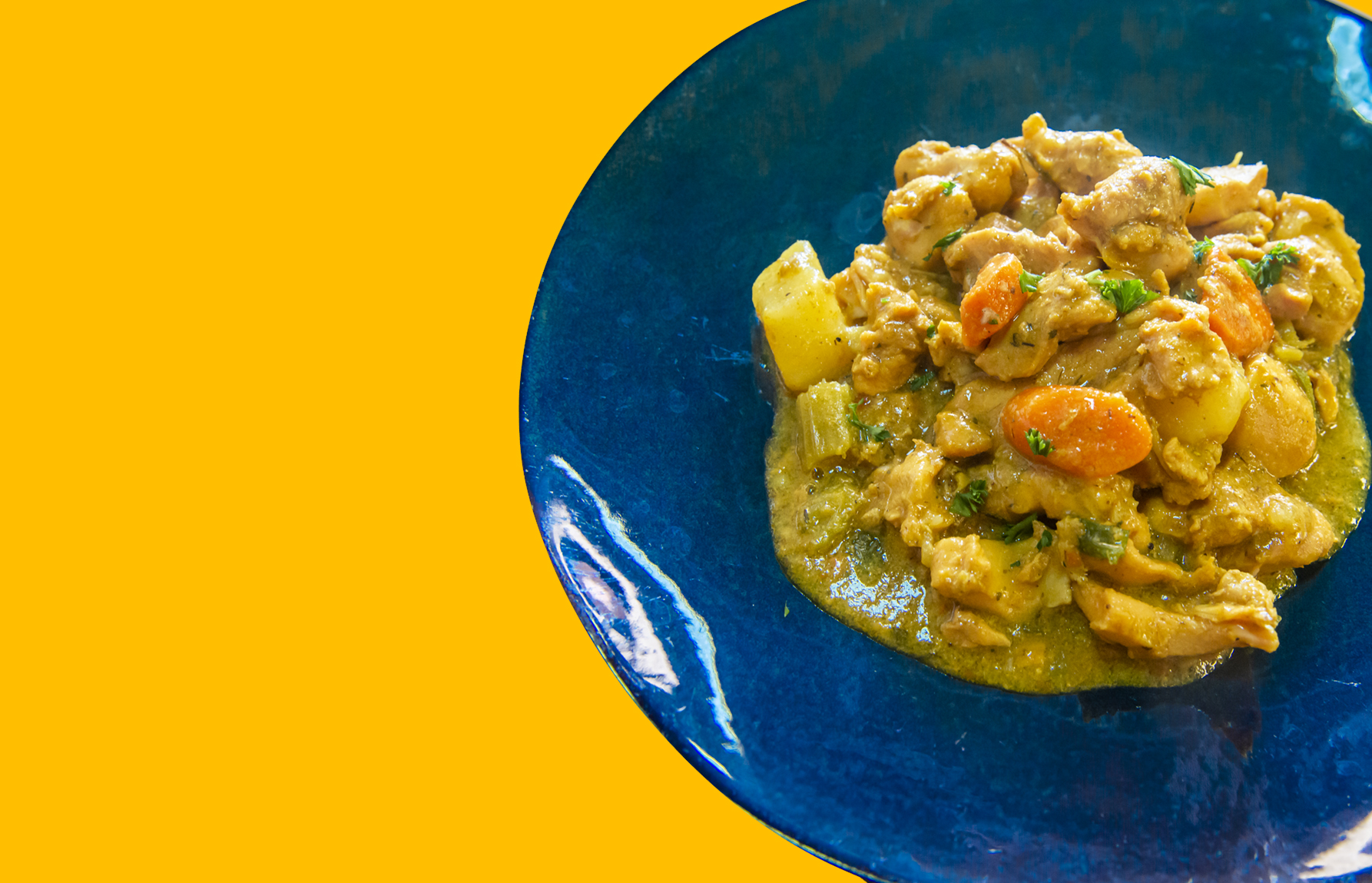
Denver is not the first city most people associate with Jamaican cooking, and that is exactly why the search can be rewarding. The scene here tends to reveal itself gradually. You do not always find it through the biggest restaurant guides or the loudest openings. More often, you find it through a food truck parked outside a brewery, a weekend pop-up that sells out of oxtail by midafternoon, or a small counter-service kitchen that locals guard like a secret.
That slower discovery process matters. Jamaican food is deeply rooted in technique, memory, and balance. A plate of jerk chicken should not taste like generic barbecue with extra spice. Curry goat should carry warmth, thyme, and allspice, not just heat. Rice and peas should have depth from coconut milk and aromatics, with each grain still distinct. When you are looking for strong Jamaican food in Denver, you are really looking for places that respect those details.
The city has become much better for that kind of search. Denver diners are more comfortable with regional cuisines than they were a decade ago, and operators now have more ways to reach customers without needing a giant dining room or a high-profile address. That means some of the most exciting Jamaican food shows up in temporary spaces, market stalls, catering businesses, and social feeds before it settles into a permanent storefront.
If you want to discover something new rather than just repeat the same online search for jamaican food denver, it helps to know where the food tends to surface, how to read a menu, and what signs separate a promising operation from one that is only borrowing Caribbean language for effect.
Why Denver’s Jamaican food scene feels different
In cities with long-established Caribbean communities, Jamaican cooking often sits in a mature ecosystem. There are bakeries, lunch counters, grocery stores, and restaurants serving distinct slices of the cuisine. Denver is more patchwork. You may see one place specializing in jerk, another leaning heavily on patties and grab-and-go lunches, another blending Jamaican dishes with broader Caribbean or soul food traditions.
That variety is not necessarily a weakness. In fact, it can make the city more interesting to eat through. It just requires better judgment from diners. A Jamaican menu in Denver may be operating under different constraints than one in Brooklyn, South Florida, or Toronto. Operators might source ingredients from a mix of local wholesalers, specialty grocers, and personal networks. They may adjust spice levels slightly for a broad customer base, or rotate dishes based on demand and labor. Those choices do not automatically mean compromise. Sometimes they reflect smart adaptation.
The best approach is to stop expecting a single definitive “Jamaican district” and instead treat the city as a network. New flavors often appear wherever independent food businesses have room to experiment: northeast neighborhoods, market halls, event venues, brewery patios, and suburban corridors where small family-run restaurants can survive on repeat local traffic.
Start with neighborhoods that reward curiosity
When people ask where to find new Jamaican food in Denver, they often expect one street name or one cluster of restaurants. That is not quite how the city works. A more useful strategy is to spend time in neighborhoods where independent food businesses turn over quickly enough to create surprise, but not so quickly that everything becomes trend-chasing.
Areas with a mix of immigrant-owned businesses, flexible commercial spaces, and steady lunch traffic are often the most productive. You are looking for places where a cook can test a menu without having to appeal to every diner in the city on day one. In practical terms, that can mean side streets with small storefronts, mixed-use blocks with casual counters, and suburban edges where rents are less punishing.
I have often found that the first sign of something promising is not a polished website. It is a handwritten special, a steam table that smells right, or a line forming before noon on a weekday. Denver diners can be adventurous, but they still vote with their schedules. If a modest Jamaican kitchen is busy at lunch, that usually means somebody nearby has already done the trial-and-error work for you.
Food trucks and pop-ups are often where the best discoveries happen
Some of the most memorable Jamaican meals in cities like Denver come from businesses that are still in motion. A truck can follow festivals, office parks, brewery nights, and community events. A pop-up can appear in a shared kitchen one week and a neighborhood bar the next. That format suits cuisines with strong braised meats, marinated proteins, and portable starches because the food travels well when handled properly.
There is another advantage to trying Jamaican food through pop-ups and trucks. You get a clearer view of a cook’s priorities. Smaller operations tend to focus on fewer dishes, which can sharpen quality. If the menu is tight and every pan is moving, the chances of getting fresh rice, properly reduced gravy, and crisp-edged plantains improve significantly.
The trade-off is consistency of location and hours. Denver weather, permitting, staffing, and event scheduling can all interfere. If you are serious about finding the strongest Jamaican food in Denver, it is worth following a few businesses on social media and checking the day’s service plan before you drive across town. This is one of the few cuisines in the city where spontaneity helps, but a little verification helps more.
What to look for on the menu
A Jamaican menu tells you a lot before the food arrives. You can often sense whether a kitchen is committed to the cuisine or using a handful of familiar words to attract attention. I look for range, but not excess. A place does not need twenty entrees. It needs dishes with a reason to be there.
Jerk should be more than a spice label. It should point to a specific marinade and cooking approach, ideally one that allows smoke, sweetness, and pepper heat to develop in layers. Curry dishes should not all taste identical. Brown stew chicken should have its own personality, darker and more savory than jerk, with a sauce that clings rather than floods the plate. Ackee and saltfish, if available, usually signals confidence because it appeals to diners who know exactly what they are ordering. Patties can be a useful benchmark too. A flaky crust and well-seasoned filling reveal discipline in the kitchen.
Sides matter just as much. Rice and peas should not be an afterthought. Cabbage should still have some texture. Fried plantains need actual caramelization, not just heat. If a restaurant pays attention to those supporting pieces, the mains usually follow.
Here are a few menu clues that often point to a stronger kitchen:
- The menu is focused enough that the staff can explain dishes clearly.
- Signature items sell out sometimes, especially slow-cooked meats.
- Sides include traditional pairings rather than generic fries alone.
- Heat levels are described honestly, not exaggerated for marketing.
- Specials change with occasion, demand, or available ingredients.
None of these signs is absolute. A broad menu can still be excellent. A new place may not sell out because it is still building an audience. But in my experience, kitchens that know what they are serving tend to communicate that confidence in small, practical ways.
Grocery stores, bakeries, and markets can tell you where to eat next
One of the most reliable ways to discover new Jamaican food is to stop thinking only in terms of sit-down restaurants. Specialty grocery stores and international markets often lead you to the real action. Even if a market is not Jamaican-specific, staff may know who is catering local events, who makes the best patties, or which cook has started taking preorders on weekends.
This matters because a lot of good Caribbean food businesses grow informally at first. They may begin with catering, family trays, church events, or weekend pickups before moving into daily service. If you only search restaurant apps, you can miss an entire layer of the food scene.
Markets also teach you what ingredients shape the cuisine. Scotch bonnet peppers, thyme, allspice, callaloo, sorrel, hard dough bread, and seasoning blends are not just shopping items. They are signals. When you see them moving through a neighborhood grocery ecosystem, you know there is demand, and where there is demand, cooks are rarely far behind.
Bakeries deserve attention too. Even when they are not fully Jamaican, they often carry patties, buns, or sweet breads that connect you to local Caribbean food networks. A great patty is not merely a snack. In many cities, it is the first gateway dish people try before working their way toward larger plates like curry goat, escovitch fish, or pepper shrimp.
Breweries, food halls, and event spaces are useful, but you need discernment
Denver loves flexible dining spaces. Food halls, brewery patios, and shared event venues give small operators visibility with lower overhead. That can be a gift to Jamaican cooks, especially those building an audience. It also means diners have more chances to encounter new vendors in low-pressure settings.
Still, not every hall or pop-up environment shows a cuisine at its best. Jerk chicken held too long under warming equipment loses its snap and smoke. Fried items can suffer if the setup is cramped. Fish dishes may be limited because of logistics. A venue that works beautifully for tacos or pizza does not always flatter a cuisine built around careful braising and timing.
That does not mean you should avoid these spaces. It means you should order strategically. In a temporary setup, choose dishes that can handle transport and holding without falling apart. Curry goat, braised oxtail, rice and peas, and patties often perform well. Delicate fried fish is a better bet in a full kitchen where it can be served immediately.
The upside is that these venues give you a low-commitment way to sample a business before chasing it to another part of the metro area. I have had plenty of experiences where one excellent plate in a brewery lot led to future catering orders or a return visit when the operator opened a permanent space.
Community events are where cuisine becomes context
If you want to understand Jamaican food rather than simply consume it, community events are worth seeking out. Cultural festivals, heritage celebrations, neighborhood summer gatherings, and church fundraisers often present food in a setting that feels more complete. The music, the pace of service, the conversations in line, and the dishes people order for one another all provide context you do not get from an online menu photo.
Food in these spaces is often cooked with a different rhythm. Quantities are larger, service is more direct, and the audience usually includes people who know exactly how the food should taste. That can be a helpful quality filter. If a vendor is feeding a community that carries strong expectations, shortcuts become obvious quickly.
There is another practical benefit. Events let you compare multiple vendors in one day. Even if only one is explicitly Jamaican, you may find neighboring Caribbean or African vendors who share ingredients, customer bases, or useful recommendations. Denver’s food scenes overlap more than many diners realize. One good conversation at a festival can point you toward three more kitchens that never appeared in your initial search.
How to order if you are new to the cuisine
A lot of people approach Jamaican food with either too much caution or too much bravado. They either play it overly safe and order only what feels familiar, or they chase the hottest dish on the menu to prove something. Neither approach gives you the best first impression.
If you are new, build your meal around one anchor dish and let the sides teach you the rest. Jerk chicken is often the natural entry point, but it is not the only one. Curry goat offers a better read on seasoning depth. Brown stew chicken reveals whether the kitchen understands balance. Ackee and saltfish, if available, gives you a direct connection to one of the cuisine’s signature combinations. A beef patty is useful as a quick test, especially if you are not ready for a full meal.
These are especially good first orders when exploring Jamaican food in Denver:
- Jerk chicken with rice and peas, cabbage, and plantains.
- Curry goat if you want to judge depth of spice and tenderness.
- Beef or chicken patties for a quick, low-commitment sample.
- Oxtail when you are ready for a richer, slower-cooked plate.
- Ackee and saltfish if the kitchen offers breakfast or weekend specials.
Ask questions, but ask specific ones. Instead of saying “What’s good?” ask whether the jerk is grilled or oven-finished, whether the curry goat is bone-in, or whether the patties are baked in-house. Specific questions usually lead to more useful answers, and they also tell you whether the person taking your order knows the food well.
Timing changes the meal more than people expect
Jamaican food is often best when the kitchen has settled into service, not at the absolute first minute of opening and not during the final hour when key items may be drying out or gone. Mid-lunch can be ideal. Dinner can be strong too, especially at places known for braises and platters. Late-night service is more variable. Some dishes hold well, others do not.
Weekends can bring special items that never appear on weekday menus. That is particularly true for breakfast and brunch dishes, larger family trays, and celebratory foods that take longer to prepare. If a place is known to do special runs of soup, fish, or holiday dishes, pay attention. Some of the most memorable Jamaican meals are not everyday items. They are the ones that show up when the cook has time, the audience, and the right reason.
Selling out is not always a problem, either. In fact, it can be reassuring. A pot of curry goat that disappears by three o’clock tells a very different story from one that sits untouched until evening. Scarcity alone does not equal excellence, but fresh turnover is almost always your friend.
The suburban edge of the metro area deserves more attention
Too many diners stop their search at city limits. In Denver, that can be a mistake. Some of the most worthwhile international food experiences in the broader metro area live outside the neighborhoods that get the most media attention. Smaller shopping centers, suburban strips, and mixed residential-commercial corridors often support the kind of practical, community-driven businesses that serve strong Jamaican food.
The advantages are clear. Rents can be lower. Parking is easier. Operators can build loyalty among regulars rather than depend on destination traffic alone. Menus may be steadier and portions more generous because the business model is less tied to trend cycles. If you are willing to drive twenty or thirty minutes, your options often expand in meaningful ways.
This is also where catering-based businesses sometimes become visible. A cook who spent years making pans of jerk chicken or trays of oxtail for events may test a more public format in the suburbs first. That is worth tracking because those businesses often have the seasoning instincts and production discipline that newer restaurant-only concepts are still developing.
How to judge authenticity without turning it into a performance
Authenticity is a useful word up to a point. After that, it can become lazy. The better question is whether the food tastes intentional, rooted, and well executed. Jamaican cuisine has room for variation. Family recipes differ. Diaspora cooking adapts. Ingredient access changes things. A dish does not become suspect simply because it is served in Denver rather than Kingston.
What deserves scrutiny is vagueness. If every protein tastes like the same sauce, if the jerk lacks any trace of smoke or allspice, if the sides feel generic, or if the restaurant uses Caribbean terminology without delivering Caribbean flavors, then skepticism is fair.
I trust sensory evidence more than branding. Does the chicken carry marinade into the flesh, not just on the surface? Does the gravy have body from cooking rather than thickener alone? Are the plantains sweet, soft, and caramelized at the edges? Does the cabbage taste seasoned rather than steamed into resignation? Those details matter more than decorative flags on the wall.
Building your own Denver Jamaican food map
The smartest diners create a personal map rather than hunting for one final answer. Try a few formats. Eat at a truck one week, a market counter the next, then a pop-up at an event after that. Keep notes on what each place does well. Some kitchens may excel at patties and lunch plates, others at slow-cooked meats, others at weekend specials.
It also helps to follow the cooks, not just the businesses. In a city like Denver, talented food operators often move between formats. A person you first encounter at a festival may later appear in a shared kitchen, then inside a food hall, then in a storefront of their own. If you pay attention to names, not just addresses, you will find the scene opening up much faster.
The nice thing about this approach is that it turns a broad search like jamaican food denver into something more specific and more useful. You stop asking, “Where is the Jamaican restaurant?” and start asking, “Who is making the best jerk this month?” or “Which kitchen is doing the strongest patties right now?” That shift leads to better meals.
The reward is more than novelty
Discovering new Jamaican food in Denver is satisfying partly because the food itself is so vivid. Smoke, pepper, thyme, ginger, scallion, coconut, deep browning, sweet plantain, and slow-cooked bones create the kind of meal that stays with you. But the bigger reward is that searching for it reconnects you with a more attentive way of eating.
You have to notice where local businesses gather momentum. You have to read menus carefully. You have to ask who is cooking, where they are serving this week, and what sold out first last time. That makes you a better diner, and usually a more generous one too.
Denver may never present Jamaican food in the same dense, effortless way as a larger Caribbean https://maps.app.goo.gl/37JZ7dpqaHRz7t9A9 hub. It does not need to. What it offers instead is a scene with room for discovery. If you approach it with curiosity and a little patience, you will find meals that feel personal, hard-earned, and absolutely worth the chase.
Reggae Pot Jamaican Grill
Address: 2243 S Monaco St Pkwy #104, Denver, CO 80222
Phone number: +17204102956
FAQ About Jamaican Food Denver
What is typical Jamaican food?
Typical Jamaican food features bold, vibrant flavors created by blending African, Taino, European, and Asian influences.
What is a famous Jamaican dish?
Ackee and saltfish is Jamaica's national dish, made by sautéing the soft local ackee fruit with salted cod, onions, tomatoes, and spicy Scotch bonnet peppers.
What food is most popular in Jamaica?
The most popular and famous food in Jamaica is Jerk Chicken, celebrated worldwide for its smoky, spicy flavor.