Drunken Noodles Near Me: Local Favorites You Need to Try

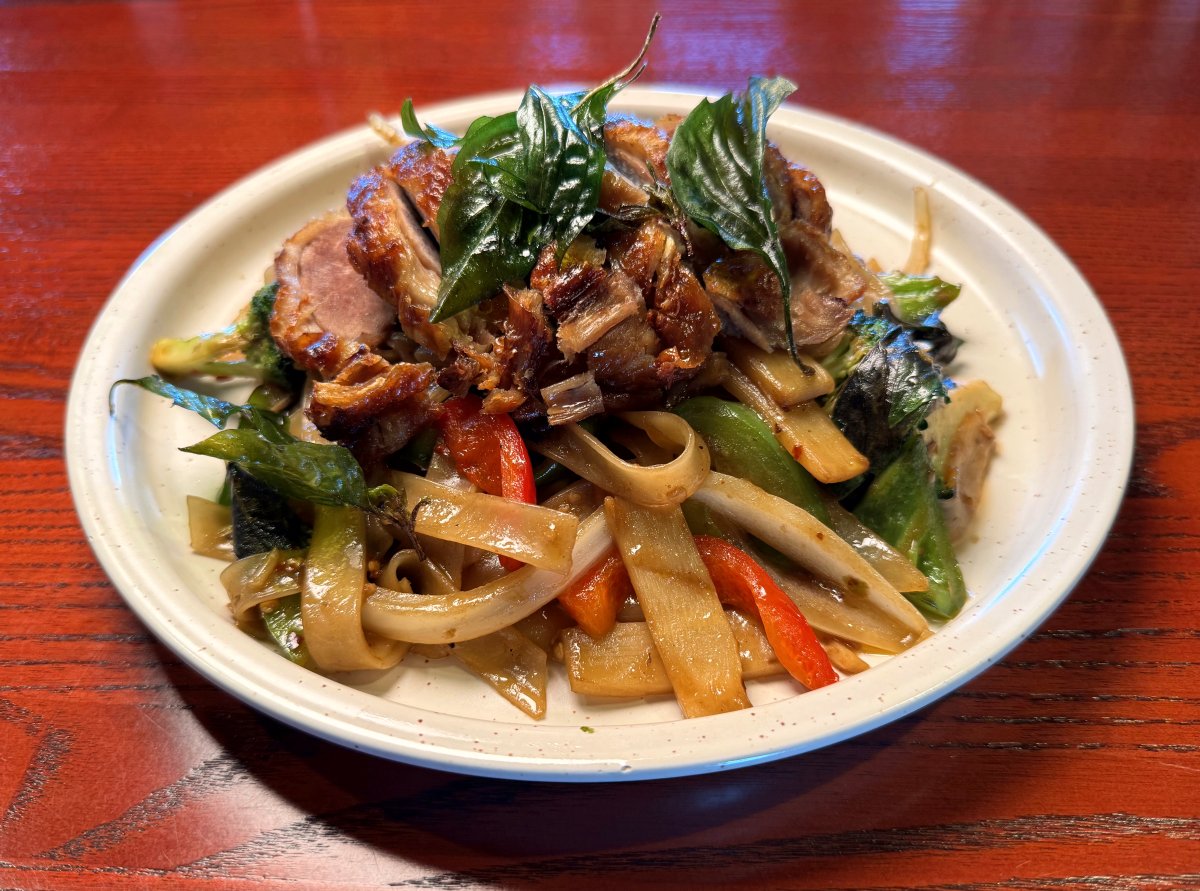
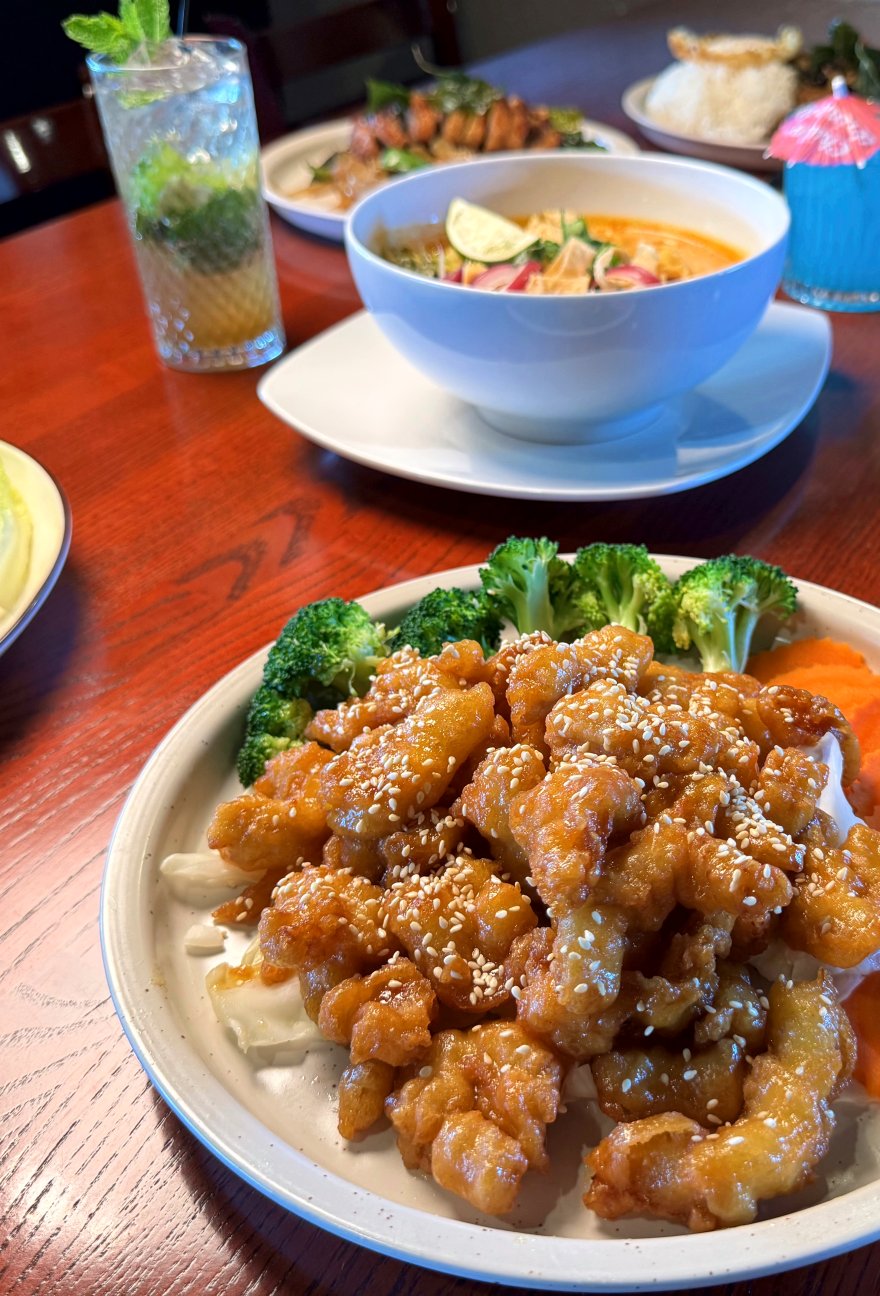
If you have ever typed Drunken Noodles Near Me into your phone while hungry, you already know this dish has a particular pull. It is not a delicate, think-about-it-later meal. It is immediate. Wide rice noodles, glossy sauce, Thai basil, vegetables that still have some snap, and enough heat to wake up your whole palate. A good plate of Drunken Noodle feels generous and a little unruly in the best way.
What makes the search tricky is that drunken noodles vary more than most diners expect. Two Thai restaurants on the same block can serve versions that barely resemble each other. One leans smoky and spicy, another sweeter and softer. One arrives with broad noodles that hold sauce beautifully, another with broken pieces that clump before you get halfway through the box. https://maps.app.goo.gl/wEbpDYfz5VjY5inF9 When people ask me where to find the best local version, the answer is rarely just a restaurant name. It starts with knowing what a strong plate should taste like, and what kind of Thai spot tends to get it right.
Why drunken noodles inspire loyalty
Pad kee mao, the Thai dish most English menus call drunken noodles, has the kind of flavor profile that creates regulars. It is savory, salty, herbal, and often assertively spicy. The best versions have contrast. The noodles are tender but not limp. The sauce coats rather than floods. Thai basil brings anise-like lift that cuts through richness. Chili heat shows up quickly, but it should not bulldoze everything else on the plate.
This is one reason people become fiercely loyal to their neighborhood Thai place. Drunken noodles are not just about ingredients. They are about execution in the wok. The cook needs enough heat to sear vegetables and noodles without steaming them into softness. The sauce has to reduce just enough. Protein has to stay juicy. It is a dish that reveals whether a kitchen has timing, confidence, and consistency.
It also travels imperfectly, which matters when you are deciding whether to dine in or order delivery. A fresh plate straight from the wok often has charred edges, distinct noodles, and aromatic basil that fills the table. After twenty minutes in a sealed takeout container, steam can dull those strengths. Some restaurants compensate well. Others do not. That difference alone can separate a local favorite from a place that looks good only on an app.
What a great plate should look and taste like
Before talking about neighborhood standouts, it helps to define the target. Diners often judge drunken noodles almost entirely by spice level, but heat is only part of the story. I have had mild versions with deep flavor and beautifully cooked noodles, and punishingly hot versions that tasted flat because the sauce was one-note and the basil had disappeared into the background.
A strong dish usually arrives with broad rice noodles that are glossy and flexible, not dry at the edges and not torn into short scraps. The vegetables, often bell pepper, onion, broccoli, carrot, baby corn, or green beans depending on the kitchen, should still taste like vegetables. They should not melt into the sauce. Protein matters too, but it is not the star. Chicken should be sliced thin enough to absorb flavor. Beef benefits from a little char. Shrimp can be excellent if not overcooked, though it cools quickly in takeout. Tofu works especially well here because it picks up sauce and gives the dish more body.
The aroma should hit before the first bite. Basil, garlic, and chile should register immediately. Then the sauce should follow with salty depth, a little sweetness, and a finish that lingers. If you taste only sugar, the balance is off. If you taste only soy and raw heat, something is missing. Good drunken noodles feel layered, not loud for the sake of it.
The local spots that usually do it best
When people search for Drunken Noodles Near Me, they are often looking for a specific restaurant recommendation. Since every city and suburb has its own Thai scene, the more useful approach is to know which types of places consistently turn out memorable versions. In my experience, local favorites usually fall into a few recognizable categories.
The family-run Thai restaurant with a compact menu
These are often the most reliable picks. The dining room may be modest, the menu may be laminated, and the lighting may not flatter anyone, but the wok station is usually the real center of gravity. If a restaurant has been serving the same neighborhood for years and locals keep ordering pad kee mao, that tells you something. Kitchens like this often understand balance instinctively. They are not trying to make the dish gentler for every palate, nor are they loading it with sauce to impress first-time delivery customers.
I have had some of the best drunken noodles in places where the server quietly asked, “Do you want Thai spicy or regular spicy?” That question alone is often a good sign. It means the kitchen expects to cook to preference rather than defaulting to a bland middle.
The late-night Thai spot near bars or music venues
There is a reason these places earn a following. Drunken noodles are an ideal late meal. They are bold, hot, satisfying, and fast off the wok. Good late-night Thai restaurants know exactly what people want at 9:30 p.m. Or midnight. They tend to push flavor a little harder, and when they keep quality high, the result can be excellent.
That said, late-night popularity cuts both ways. During rushes, noodle dishes can get rushed too. If you are trying a new place, one useful tell is whether the noodles still have separation and whether the vegetables remain distinct. If everything arrives as one soft mass, the kitchen may be overextending itself at peak hours.
The small restaurant inside a neighborhood strip center
Some of the most dependable Thai food hides in plain sight, between a dry cleaner and a nail salon. These restaurants often survive because locals come back repeatedly, not because they trend online. Their drunken noodles may not be styled for social media, but they frequently win on value and consistency. Portions are usually generous, lunch specials can be surprisingly strong, and the kitchen often knows how to prepare the dish quickly without sacrificing texture.
This is the category where I have found the best weekday lunch drunken noodles, especially for people who want a real meal rather than a glossy takeout experience.
The more modern Thai restaurant with an open kitchen
These places can be excellent, especially if they treat wok dishes with the same seriousness they give curries or cocktails. Open kitchens reveal a lot. You can often hear the pace, smell the garlic and basil, and watch whether noodles are cooked to order. If the restaurant has strong heat at the wok station and disciplined timing, drunken noodles can come out vibrant and polished without losing their soul.
The trade-off is price. Upscale or design-forward Thai restaurants often charge several dollars more for the same dish, and portions are not always larger. Whether that premium is worth it depends on the details. Better produce, cleaner flavors, and stronger consistency can justify it. A pretty plate with timid seasoning cannot.
Signs you found a real local favorite
You do not need to be a critic to tell when a place has nailed it. A few clues show up again and again.
- The basil aroma is obvious as soon as the plate hits the table.
- The noodles stay separate enough to lift cleanly, even when heavily sauced.
- The spice level matches what you asked for, instead of landing in a vague middle.
- Vegetables still have structure and color.
- The dish tastes balanced after several bites, not just impressive on the first one.
What stands out here is consistency. Plenty of restaurants can produce one strong plate on a quiet afternoon. A real favorite can do it on a busy Friday night and in a Tuesday lunch rush.
Why some restaurants miss the mark
The most common problem is over-saucing. It is understandable from a business perspective. Sauce makes a dish look rich, and it can mask noodles that are slightly overcooked. But too much sauce turns drunken noodles heavy and muddy. The noodles absorb liquid fast, especially in takeout containers, and what started glossy can become gummy by the time you eat.
The second issue is timid basil use. Thai basil is not a garnish here. It is central to the identity of the dish. Without enough basil, the whole plate tastes flatter and less distinct. I have seen restaurants substitute regular Italian basil when supply gets tight. It is not a disaster, but the flavor shifts noticeably, and the dish loses some of its signature edge.
Spice can also go wrong in both directions. Some places make everything so mild that the dish feels like sweet soy noodles with vegetables. Others chase heat alone. You should feel chile, but you should also taste garlic, sauce, basil, and wok char. When only the chiles register, the plate becomes a dare instead of a dinner.
Finally, weak noodles ruin everything. Rice noodles are unforgiving. If they sit too long before hitting the wok, they break. If they are cooked too far, they clump. If they are not handled carefully in the pan, they turn patchy, with some pieces dry and some collapsing into paste. This is why a kitchen with good wok habits matters more than a long ingredient list.
How to order drunken noodles so they arrive at their best
If you are dining in, the dish has every advantage. But many people discover their go-to Drunken Noodles Near Me through takeout or delivery, and a few smart ordering choices make a big difference.
- Ask for the spice level you truly want, not the one you think sounds impressive.
- If you prefer extra basil or extra vegetables, request them. Most Thai kitchens can accommodate this.
- For delivery, order during off-peak times when possible. The dish suffers less from rushed prep and long waits.
- If you want tofu or chicken, both usually travel better than shrimp.
- Reheat leftovers briefly in a hot pan rather than microwaving them into softness.
That last point is one many people overlook. Drunken noodles can be quite good the next day if reheated fast in a skillet with a tiny splash of water. A microwave often softens the noodles too much and mutes the basil.
Protein choices, and what they change
People often treat protein as an afterthought here, but it affects the dish more than you might expect. Chicken is the most common choice, and for good reason. It takes on sauce easily and keeps the flavor profile centered on noodles and basil. Beef adds richness and works especially well when the kitchen gets a little char on it. Pork can be excellent, though not every restaurant offers it in this dish. Shrimp gives the plate a lighter feel, but timing matters. Overcook it by a minute and the whole dish feels less generous.
Tofu deserves more credit than it gets. In a well-made Drunken Noodle, tofu can be the best texture contrast on the plate, especially if lightly crisped before joining the noodles. It also tends to hold up better in leftovers. When I am trying a new Thai restaurant for the first time, tofu or chicken usually tells me more about the kitchen than shrimp does, simply because the dish relies less on the protein to make an impression.
Spice levels are not universal
One person’s “medium” is another person’s emergency. Thai restaurants vary enormously in how they define spice. A neighborhood place cooking primarily for Thai and Southeast Asian regulars may serve a medium that feels intense to newcomers. Another restaurant in a downtown delivery corridor may treat medium as very mild because that is what the customer base expects.
This is where good communication matters. If the menu uses a one-to-five heat scale, that helps somewhat, but not always. If you are unsure, asking a staff member what they recommend for someone who likes heat but still wants to taste the dish usually gets a better answer than simply choosing a number. Experienced servers know which items run hot and which do not.
Over time, this becomes part of why people stay loyal to one place. Once you know that your local Thai spot’s medium is your exact sweet spot, you stop gambling elsewhere.
The difference between a good lunch plate and a great dinner order
Lunch drunken noodles can be fantastic, but they are often built for speed and value. The sauce may be slightly simpler, the vegetable mix more standardized, and the portion smaller. There is nothing wrong with that. In fact, some of the best weekday versions I have had came from lunch specials that cost several dollars less than dinner.
Dinner service often reveals more of a kitchen’s ambition. Portions are usually larger, protein options broader, and custom requests easier to accommodate. If you are really trying to decide whether a restaurant deserves to become your regular spot, order the full dinner version once, ideally for dine-in. That is where the details show. You notice the basil level, the noodle texture, the char, and whether the dish remains balanced from first bite to last.
When reviews help, and when they mislead
Online reviews can point you toward hidden gems, but they are not especially reliable for noodle dishes unless you read carefully. A five-star review that says “huge portions” tells you almost nothing about execution. A review that mentions basil fragrance, wok char, or well-balanced spice is far more useful. Photos help too, though not always in the obvious way. A slightly messy plate with visible vegetables and separated noodles is often more promising than a perfectly staged mountain of glossy sauce.
I pay attention to repeated comments rather than one dramatic opinion. If multiple reviewers say the drunken noodles are consistently spicy, aromatic, and best eaten fresh, that pattern means something. If comments bounce between “bland” and “too spicy to eat,” the restaurant may be inconsistent, or it may simply be cooking wildly differently from order to order.
Regional expectations matter more than most diners realize
A Thai restaurant in Los Angeles, Houston, Chicago, or Queens may have access to different customer expectations, ingredient supply, and kitchen traditions than a Thai restaurant in a smaller suburb. That affects drunken noodles. In cities with strong Thai food communities, menus often lean more confidently into basil, heat, and funkier savory depth. In areas where Thai food has historically been toned down for a broad audience, the dish may come sweeter and gentler.
Neither style is automatically wrong. The question is whether the restaurant commits to its approach and executes it well. I have had sweeter versions that were delicious because the basil and chile still showed up. I have also had rustic, fiery versions that were unforgettable because the wok work was excellent. The trouble comes when the dish feels undecided, too sweet to be spicy, too mild to be savory, too saucy to keep texture.
Finding your own neighborhood standard
The best search for Drunken Noodles Near Me is not always the one that ends with the highest-rated app listing. It is the one that helps you identify a restaurant whose version matches how you actually like the dish. Some people want serious heat, broad chewy noodles, and lots of basil. Others want a little sweetness, extra vegetables, and a protein-heavy plate. There is room for both.
If I were helping a friend choose where to start in a new neighborhood, I would tell them to look for a Thai restaurant with steady local traffic, order drunken noodles at a realistic spice level, and pay attention to the details that matter after the first few bites. Does the basil still read clearly? Are the noodles cooked with intention? Does the dish taste alive, not just heavy? Those are the signs that you have found more than a convenient option. You have found the place you will think about the next time the craving hits.
A memorable Drunken Noodle does not need trendiness or hype. It needs hot wok work, balanced seasoning, and a kitchen that respects the dish enough to let each part do its job. Once you find that restaurant, the search bar gets a lot less interesting. The answer is already in your favorites, ready for the next hungry evening when only wide noodles, basil, and heat will do.
Nakhon Luang Thai Kitchen
Address: 805 Village Center Dr, Colorado Springs, CO 80919
Phone number: +17195315175
FAQ About Drunken Noodles Near Me
What makes it drunken noodles?
Drunken noodles, or Pad Kee Mao, get their name from the Thai word khi mao (meaning "drunkard"). They contain no alcohol. The name comes from the idea that the dish is a popular late-night meal to cure a hangover or a great food to eat with a cold beer.
What is the difference between pad see ew and drunken noodles?
While both Pad See Ew and Drunken Noodles use the same wide rice noodles, Pad See Ew is a mild, sweet-savory dish made with dark soy sauce and Chinese broccoli, whereas Drunken Noodles (Pad Kee Mao) are fiery, garlicky, and herbaceous with fresh chilies and Thai basil.
What are traditional drunken noodles?
Traditional drunken noodles, known as Pad Kee Mao in Thai, are a fiery, savory street food stir-fry made with wide flat rice noodles, fresh garlic, lots of hot chilies, meat or tofu, and fragrant holy basil. Despite the name, they contain no alcohol; the dish is traditionally eaten late at night or as a hangover cure because the intense spice helps clear the head.