A Beginner’s Guide to Southern Restaurant Pittsburgh, PA
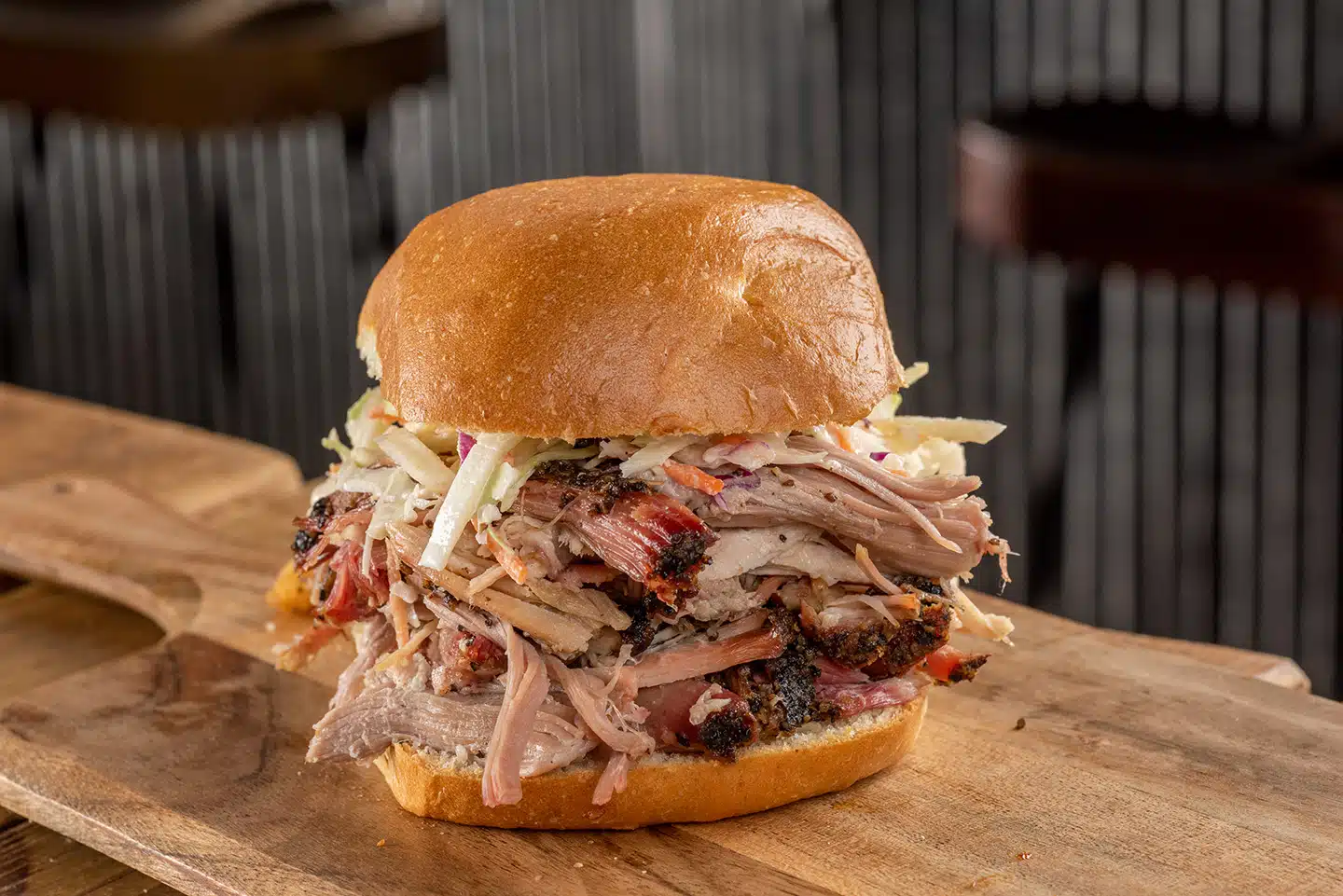

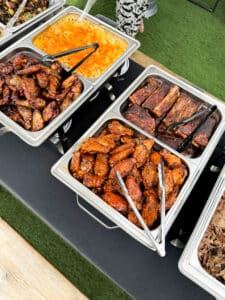
Southern food has a way of disarming people. It looks familiar, sometimes even simple, yet the best versions carry serious technique, patience, and memory. A plate of fried chicken, braised greens, cornbread, and macaroni can seem straightforward until you taste a version where every element has been handled with care. Then it becomes clear that this cuisine is not casual in the careless sense. It is generous, yes, but it is also exacting.
For anyone looking for a southern restaurant Pittsburgh, PA diners can enjoy, the learning curve is not about decoding something obscure. It is about understanding what Southern cooking is really trying to do. Once you know what belongs on the plate, what details matter, and where styles start to differ, you can walk into a restaurant with better instincts and a much better chance of ordering well.
Pittsburgh is an interesting city for this kind of food. It is not the first place most people think of for Southern cooking, but that is part of what makes the search worthwhile. The city’s dining scene has enough range to support comfort food, regional specialties, chef-driven interpretation, and family-style cooking that leans on tradition. Some places aim for classic soul food. Others borrow from Louisiana, the Carolinas, or the broader American South. A beginner does not need to know every distinction before sitting down, but it helps to recognize that “Southern” is not one single thing.
Southern food is not one menu
A common mistake is treating Southern cuisine as a fixed set of dishes. In practice, it is regional, historical, and deeply personal. Fried catfish in one kitchen will not look or taste like it does in another. Gumbo, shrimp and grits, biscuits, or collard greens may appear across many menus, but the seasoning, texture, fat, and side pairings can change a lot.
In restaurant terms, “Southern” often gathers together several traditions under one roof. You might see soul food, Creole and Cajun influences, Lowcountry cooking, barbecue, or church-supper-style comfort food sharing a menu. That is normal. It is also why a first-time diner should read a menu for cues rather than assumptions.
Soul food tends to emphasize slow-cooked greens, fried chicken, candied yams, cornbread, black-eyed peas, oxtails, smothered meats, and dishes rooted in African American culinary traditions. Cajun and Creole menus may bring in étouffée, jambalaya, gumbo, po’boys, and rice-based dishes with stronger pepper, celery, onion, and seafood notes. A more general Southern comfort menu may center on biscuits, pimento cheese, chicken and waffles, shrimp and grits, country ham, and hearty brunch plates.
When you look for a southern restaurant Pittsburgh, PA offers, this matters because the experience can vary from a quick lunch counter to a polished dining room with cocktails and elevated plating. Neither approach is automatically better. They simply ask for different expectations.
Why Pittsburgh works for Southern dining
Pittsburgh is a practical food city. Diners here respond well to dishes that feel substantial, honest, and satisfying, and Southern cooking naturally fits that appetite. The city also has neighborhoods where chef creativity and comfort intersect, which creates room for Southern restaurants to express either tradition or adaptation.
That adaptation is worth discussing. Restaurants outside the South often adjust based on local supply, kitchen size, and customer habits. A biscuit recipe might shift because the flour behaves differently. A seafood-heavy menu may narrow because freshness and price fluctuate more than they would in coastal markets. Barbecue styles may blend. Heat levels may be softened or intensified depending on the clientele. None of that makes a restaurant less serious. It means the kitchen is solving real-world problems while trying to stay true to the spirit of the food.
For diners, this is useful to know because the best meal is not always the one that tries hardest to mimic another city. Sometimes the strongest southern restaurant Pittsburgh, PA has to offer is the one that respects Southern technique while acknowledging where it is cooking.
The signs of a good Southern kitchen
You can learn a lot before the food even arrives. Menus that are too broad can be a warning sign. Southern cooking is labor-heavy. Proper greens take time. Good gravy needs attention. Braised meats are not rushed. Biscuits are not an afterthought if the restaurant takes them seriously. If a place offers every regional Southern specialty imaginable, plus burgers, sushi, and pasta, caution is fair.
Once food hits the table, a few details tell the story quickly. Fried items should be crisp, not greasy. Greens should taste seasoned all the way through, not just salted on top. Macaroni and cheese should hold together without turning gummy. Cornbread should have character, whether savory or slightly sweet, rather than tasting like boxed mix. Gravy should taste of drippings, pepper, and flour cooked properly, not simply starch and salt.
Texture matters as much as flavor. Shrimp and grits, for example, lives or dies on contrast. The grits should be creamy but not soupy. The shrimp should remain snappy, not overcooked into rubber. The sauce should pull the dish together rather than drown it. Fried chicken should crackle at the crust while staying juicy near the bone. These are not luxury standards. They are baseline signs that the kitchen understands the assignment.
The side dishes often reveal even more than the entrées. In Southern restaurants, sides are not filler. They are part of the case the kitchen is making. If the beans are dull, the slaw watery, the yams one-dimensional, or the potato salad lifeless, there is a good chance the rest of the menu lacks depth too.
What to order on your first visit
A first visit should be strategic. If you want to understand a restaurant, order dishes that expose technique rather than hide it. Fried chicken, catfish, shrimp and grits, smothered pork chops, braised oxtails, biscuits, greens, cornbread, and macaroni are all revealing in different ways. They show seasoning, timing, fat management, and balance.
If the menu leans more Louisiana than broad Southern, gumbo is often a smart test. A good gumbo has depth and body from the roux and aromatics. It should not taste like thin soup with rice dropped in at the end. Jambalaya should be cohesive, with rice that carries flavor rather than merely serving as ballast.
If the restaurant is known for brunch, biscuits and gravy, chicken and waffles, or grits-based plates are usually better indicators than generic egg combinations. Brunch can be where some places coast. The better ones still show discipline.
For a first meal, this simple approach works well:
- Pick one signature entrée that reflects the restaurant’s style.
- Add two classic sides rather than novelty extras.
- If biscuits or cornbread are house-made, order them.
- If the menu offers gumbo, greens, or mac and cheese, consider one as a benchmark.
- Save dessert for places that clearly care about it, especially if you see cobbler, bread pudding, or banana pudding made in-house.
That approach keeps the meal focused. It also prevents the beginner’s mistake of ordering only the most indulgent items and ending up too full to notice quality.
The biscuit tells on everybody
A biscuit is one of the best diagnostic tools in a Southern restaurant. It should feel light for its size, with a tender interior and a top that shows some structure. It may be flaky, cakey, layered, or more rustic depending on the house style, but it should not be dense and dry. If it arrives lukewarm from a pan and tastes mainly of flour, the kitchen may be relying on the idea of Southern food more than the craft of it.
This is especially true in cities where diners are willing to forgive a lot in the name of comfort. A good biscuit does not need to be fancy. It needs fresh fat, proper handling, and a hot oven. The payoff is immediate. Butter melts instead of sitting there. Jam tastes brighter against warm crumb. Gravy lands better. A breakfast sandwich becomes memorable instead of merely heavy.
Cornbread plays a similar role, though it is more divisive. Some diners want sweetness. Others want a more savory, corn-forward version with a coarser crumb. A restaurant can go either direction successfully, but it should commit. Confused cornbread is hard to love.
Fried chicken is more technical than it looks
People often speak about fried chicken as comfort food, and it is, but from the kitchen side it can be fussy. Brining or seasoning has to penetrate. Dredging has to adhere without becoming a thick shell. Oil temperature has to stay steady. Dark and white meat cook differently. Holding it too long under a heat lamp ruins what was once excellent.
That is why fried chicken is a fair test of a southern restaurant Pittsburgh, PA diners are considering. Good fried chicken announces itself when you cut into it. Steam lifts out. The crust stays put. The seasoning reaches below the surface. If the restaurant gets this right consistently, it usually means the rest of the hot line is in capable hands.
The same logic applies to fried catfish and fried green tomatoes. Crisp exterior, clean oil, and a confident hand with salt matter more than oversized portions.
Sides deserve real attention
Southern dining makes more sense when you stop thinking of sides as supporting actors. In many meals, they are half the pleasure and half the evidence. Greens can be smoky, peppery, vinegary, silky, or pot-liquor rich. Black-eyed peas can taste earthy and subtle or deeply savory depending on how they are cooked. Mac and cheese can lean custardy, creamy, or baked into slices. Sweet potatoes can be glazed, mashed, or baked with spice. Slaw can cut through richness or collapse into wet sweetness.
A skilled diner orders sides for balance, not just craving. If your entrée is fried and rich, choose something bright, vegetal, or vinegary. If your main dish is braised and savory, a sweeter side can work beautifully. The idea is to build a plate that moves rather than sits flat.
There is also a practical point here. Southern portions can be large. Two people who each order an entrée and several full sides may have enough food for a second meal. That is not a complaint. It is simply worth planning for. If you want dessert, moderate the middle of the meal.
Dessert is where memory tends to show
A lot of restaurants can fake savory comfort. Dessert is harder. Bread pudding, peach cobbler, hummingbird cake, red velvet cake, banana pudding, sweet potato pie, and pecan pie all reveal whether a kitchen has patience and restraint. Good Southern desserts are rich, but they should not feel clumsy. Spice should be noticeable, not blunt. Sugar should support, not overwhelm. Texture should stay distinct.
Banana pudding is a classic example. When done well, it is cool, layered, nostalgic, and balanced, with enough vanilla and banana flavor to feel complete. When done poorly, it becomes a bowl of sweetness with collapsed wafers and little else. Cobbler should have fruit that still tastes like fruit. Sweet potato pie should be smooth and gently spiced, not just cinnamon-heavy filling in a shell.
If a restaurant makes dessert in-house, the server will often know details. Ask. You can usually tell whether the answer comes with pride.
How to read the room
Atmosphere matters more than many beginners realize. Some Southern restaurants are built around warmth and bustle. Others aim for a cleaner, more modern interpretation. Volume, service pace, plating style, and even the drink menu shape the meal.
A family-style or community-oriented place may move fast, serve generous portions, and focus on staples. A chef-driven room may offer smaller plates, stronger cocktail service, and regional storytelling through the menu. Neither format is inherently more authentic. Authenticity in food is a slippery word anyway. What most diners actually want is sincerity, competence, and a sense that the restaurant knows what it is trying to be.
Service often provides clues. In strong Southern restaurants, hospitality is rarely stiff. It can be polished, but it still tends to feel direct and grounded. Servers usually know which dishes are heavy, which are spicy, and which sides pair well. If you say it is your first visit, a good server should be able to steer you without a speech.
Regional differences worth noticing
Beginners do not need a lecture in food history at the table, but noticing a few regional patterns can make a menu easier to navigate.
The Deep South often brings fried foods, braises, beans, greens, and cornbread into stronger focus. The Carolinas may push pork and vinegar more prominently, depending on the restaurant’s angle. Louisiana influences bring roux, rice, seafood, and a more aromatic backbone. Texas-style Southern menus can overlap with barbecue traditions in a different way, with smoke becoming the central feature.
In Pittsburgh, menus may compress these distinctions because the market rewards variety. That can work well if the kitchen has command of the dishes. It becomes a problem only when variety outruns execution.
One practical habit helps: if the menu reads as though it belongs to three completely different restaurants, ask what the house specialties are. You are not being difficult. You are trying to understand where the kitchen feels strongest.
When brunch helps, and when dinner tells you more
Brunch is often the gateway meal for Southern food in Northern cities. Chicken and waffles, biscuits, shrimp and grits, and griddled comfort dishes draw a broad crowd. That makes brunch fun, but it can also make it less revealing. Some restaurants tighten the menu for brunch and execute a narrow set of plates very well. Others rely on sweetness, heavy sauces, and spectacle.
Dinner usually gives a fuller picture. Slow braises, fried entrées, seafood preparations, and side programs have more room to show depth. If you are seriously trying to find your go-to southern restaurant Pittsburgh, PA has available near you, dinner is often the better evaluation meal. Brunch can still be excellent, but dinner tends to expose whether the kitchen can sustain quality beyond crowd-pleasers.
A few mistakes first-time diners make
The beginner’s errors are predictable, and they are easy to avoid once you know them.
One is ordering all starch and no contrast. Biscuits, mac and cheese, grits, cornbread, and sweet potatoes on one table may sound fun, but the meal can become monotonous fast. Another is chasing novelty over house strength. If a restaurant clearly built its reputation https://wakelet.com/@waltersbbq on fried chicken or catfish, ordering the most experimental special may not tell you much about the place. A third is assuming bigger means better. Southern food should be generous, but excess can hide weak seasoning and poor texture.
Another mistake is judging a whole restaurant by one crowded service. Southern food is labor-intensive. Weekend rushes can challenge timing, especially on fried items. If one side comes out lukewarm during a slammed brunch, that is not ideal, but it is not always proof that the kitchen lacks skill. Patterns matter more than a single imperfect moment.
What value really looks like
Southern restaurants are often discussed in terms of comfort and abundance, but value is not only about portion size. Real value comes from labor, care, and flavor concentration. A plate of greens cooked properly takes time. Braised meats take time. Biscuits made fresh require labor. Desserts made in-house require labor. If prices reflect that, it is reasonable.
At the same time, diners should expect portions that make sense. If a restaurant charges premium prices for Southern staples while serving undersized, under-seasoned food, the problem is not that Southern cuisine cannot be elevated. The problem is that the value equation broke. Elevated Southern cooking still needs soul, and soul in restaurant terms often means generosity of flavor, if not always giant servings.
Finding your own benchmark in Pittsburgh
The most useful thing a beginner can do is build a personal benchmark. After two or three visits to different places, compare details. Which biscuit felt freshest? Which greens had actual depth? Which fried chicken kept its crunch? Which shrimp and grits tasted balanced rather than heavy? Which dessert seemed made by someone who cared?
A short mental checklist helps:
- Was the seasoning built into the food, not just sprinkled on top?
- Did textures feel intentional, especially in fried and braised dishes?
- Were the sides treated as real dishes?
- Did the meal feel coherent, not just heavy?
- Would you order the same thing again without hesitation?
That last question matters. Southern food should leave a memory, not just a full stomach.
The beginner’s advantage
There is an upside to coming in without strong preconceptions. You are more likely to notice the basics, which are exactly what matter. You are not chasing a perfect replica of a meal from Charleston, New Orleans, Atlanta, or rural Mississippi. You are asking simpler and better questions. Is the food made with care? Does it have balance? Does it respect tradition without turning it into theater? Does the restaurant understand hospitality as something more than branding?
Those questions travel well, whether you are trying brunch in Lawrenceville, dinner downtown, or a neighborhood spot that has built a loyal following one plate at a time. The right southern restaurant Pittsburgh, PA diners discover is often the one that makes the food feel both rooted and alive. Not museum cooking. Not caricature. Just honest Southern food, cooked with discipline, served with warmth, and strong enough that you start planning your next order before the table is cleared.
Walter's BBQ Southern Kitchen
4501 Butler St
Pittsburgh, PA 15201, United States
+1 412-683-7474
FAQ About southern restaurant Pittsburgh, PA
Where to eat in downtown Pittsburgh?
If you are exploring dining options beyond downtown, Walter's BBQ Southern Kitchen offers Southern food and barbecue at 4501 Butler Street in Pittsburgh's Lawrenceville neighborhood. It is outside downtown, so allow travel time when planning your visit.
What is a must eat in Pittsburgh?
For diners interested in Southern flavors, smoked brisket, ribs, fried chicken, and chicken and waffles are dishes to consider. Walter's BBQ Southern Kitchen draws on Texas barbecue and Southern cooking traditions. Check the current menu for the dishes available during your visit.
What are some of Pittsburgh's unique restaurants?
Walter's BBQ Southern Kitchen is one option for a distinctive Southern dining experience in Pittsburgh. Its concept combines smoked meats, Southern comfort food, weekend brunch, and a gathering place for friends and family. The restaurant is located on Butler Street in Lawrenceville.